Cationic Polyacrylamide
3517
March 27, 2025, 10:00 AM
ガイド
ハイライト
カチオン性ポリアクリルアミド(CPAM)は、高分子量(300万~1800万Da)、陽イオン密度10~70mol%を特徴とする水溶性高分子凝集剤。電荷中和・ポリマー架橋・ネットワーク捕集の複合メカニズムにより、低用量(1~10ppm)で優れた凝集・沈降性能を発揮。飲料水・下水処理、スラッジ脱水、紙・鉱山・石油産業など幅広い分野で活用され、近年は土壌改良や海水淡水化前処理など新規用途も拡大。粉体・エマルション形態や分子量・イオン性の選択が用途に応じた最適使用の鍵となる。

1.Product Characteristics
1.1 Basic Properties and Physicochemical Characteristics
Chemical Name: Cationic Polyacrylamide (CPAM)
Chemical Structure: Polyacrylamide backbone combined with cationic groups (typically quaternary ammonium salts or tertiary amines)
Physical State:
-
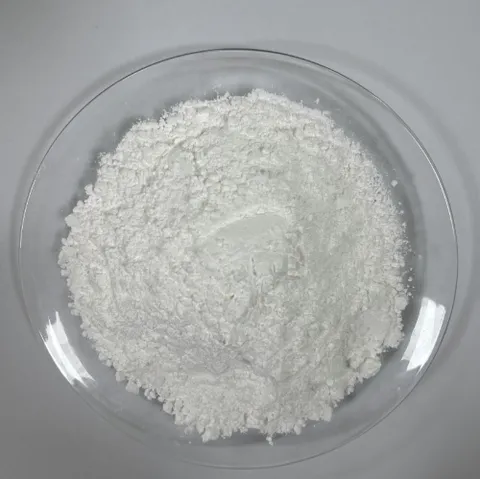
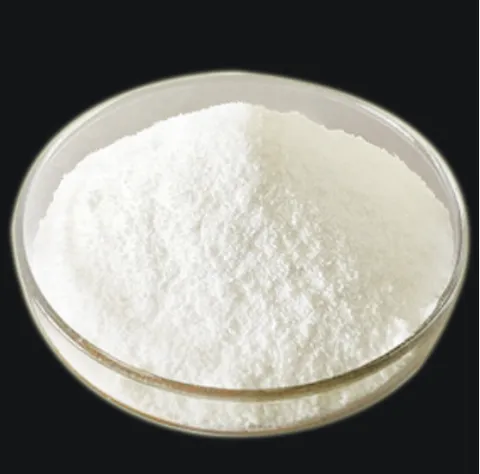
White or slightly yellow powder, granules, or emulsion
-
Powder density approximately 0.6-0.8 g/cm³
-
Highly hygroscopic, readily dissolves in water to form high-viscosity solutions
-
Commercial products often supplied as emulsions with 20-50% solid content or powders with 90-95% solid content
Molecular Characterisitics
-
Linear polymer
-
Molecular weight typically ranges from 3 million to 18 million Daltons.
-
Cationic charge density (ionicity) typically 10-70 mol%
-
The structure contains functional groups such as -CONH₂, -CH₂N(CH₃)₃+
Solubility
-
Completely soluble in water, solubility affected by molecular weight and ionicity.
-
High molecular weight products dissolve more slowly, requiring 4-24 hours for complete dissolution
-
Insoluble or slightly soluble in most organic solvents.
-
0.1-0.5% aqueous solutions have viscosity ranges between 100-5000mPa·s
Stability
-
Stable at room temperature in a dry state.
-
Aqueous solutions stable for approximately 30-90 days at room temperature.
-
Stability decreases in strongly alkaline or acidic conditions (pH 10)
-
Sensitive to shear, strong shearing leads to molecular chain breakage and reduced efficiency.
Shelf Life
-
Powder form has shelf life of 1-2 years under dry conditions.
-
Emulsion form typically has shelf life of 6 months to 1 year.
-
Prepared solutions should be used within 7-14 days.
1.2 Performance Characteristics
-
High Flocculation Efficiency
-
Produces significant flocculation effects at extremely low dosages (typically 1-10 ppm), creating large and tightly structured flocs.
-
-
Rapid Settling Properties
-
Promotes formation of settbleable flocs from suspended particles in water within short periods (typically 3-15 minutes).
-
-
Broad Sepctrum Adatability
-
Effective flocculation for various negatively charged contaminants (such as organic matter, clay, silicates, etc)
-
-
Low Temperature Adaptability
-
Maintains good flocculation effects in temperature ranges of 5-45°C, with some products suitable for use below 0°C.
-
-
Ionic Selectivity
-
Not sensitive to multivalent metal ions (such as Ca²⁺, Mg²⁺ ), remains effective in high-hardness water.
-
-
Concentration Enhancement Effect
-
Significantly improves sludge thickening ratio and dewatering performance, reducing sludge volume by 30-50%.
-
-
Flexible Dosage Adjustment
-
Dosage can be adjusted within a wide range according to water quality characteristics and treatment requirements, offering great operational flexibility.
-
-
Good Synergy with other treatment agents
-
Can be used in combination with inorganic flocculants (such as polyaluminum chloride), oxidants, and other water treatment chemicals.
-
2.Mechanism of Action
2.1 Flocculation Mechanisms
2.1a Charge Neutralization
-
Cationic groups neutralize surface charges of negatively charged particles in water.
-
Reduces electronstatic repulsion between particles.
-
Neutralization efficiency is directly related to polymer ionicity (typically 10-70%).
2.1b Polymer Bridging Effect
-
Long chain molecules simultaneously adsorb multiple particles, forming "molecular bridges".
-
Bridging effect positively correlated with molecular weight (3 million - 18 million).
-
Floc structures formed are more stable and less prone to breakage.
2.1c Network Capture Effect
-
Polymer chains form network structures.
-
Physically capture fine particles.
-
Particularly effective for colloids and fine particles (
2.1d Hydrophobic Association
-
Some modified CPAMs contain hydrophobic groups.
-
Enhance flocculation of organic contaminants through hydrophobic interactions.
-
Particularly effective in oil-water separation applications.
2.2 Key Factors Affecting Flocculation Efficiency
2.2a Molecular Characteristic Factors
-
Affects bridging capability and floc strength
-
Affects charge neutralization capability and solubulity
-
Linear structures typically provide better flocculation than branched structures.
2.2b Application Condition Factors
Dosage: optimal dosage window is typically narrow, overdosing can lead to restabilization.pH value: optimal range typically 6-9, extreme pH affects performance.Mixing intensity: requires appropriate initial mixing intensity (G value approximately 300-700 s⁻¹).Retention Time: typically requires 3-15 minutes for flocculation.2.2c Water Quality Factors
-
Suspended solid characteristics
-
Particle size, surface charge, and concentration
-
-
Water temperature
-
Low temperatures (
-
Ionic Strength
-
Salt content in water affects polymer conformation and adsorption characteristics.
-
-
Interfering Substances
-
Organic matter, surfactants, etc. Also can compete with CPAM for adsorption.
-
-
-
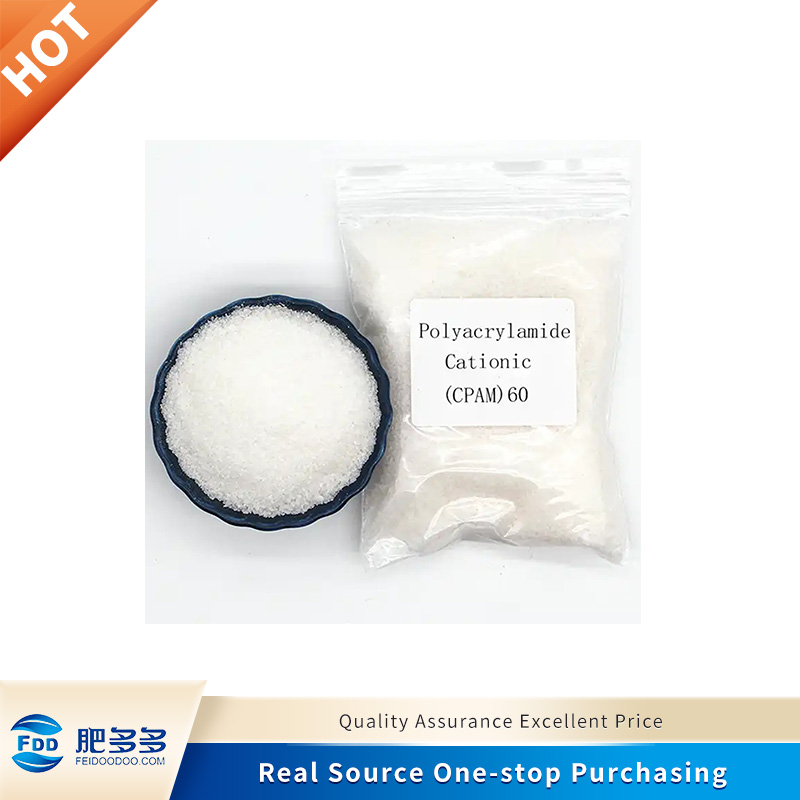
都市排水処理における汚泥脱水に使用されるカチオン性ポリアクリルアミド
$ 1.9-1.8
/MT
MOQ: 1MT
Product Model: -
サプライヤー紹介
Ningbo Feidoodoo E-Commerce Co., Ltd
設立: 2019-10-10
会社規模: 500
最良価格を取得
3.Application Fields
3.1 Municipal Water Treatment
3.1a Drinking Water Treatment
-
Used as a coagulant aid in coagulation/flocculation processes, typical dosage 0.2-1.0 ppm.
-
Improves efficiency of conventional coagulants (such as alum).
-
Reduces turbidity to
-
Can reduce coagulant dosage by 20-40%.
3.1b Municipal Wastewater Treatment
-
Secondary clarifier performance enhancement, improving SS removal by 10-25 percentage points.
-
Used in activated sludge processes to improve sludge index (SVI).
-
Typical dosage 0.5-3 ppm of wastewater flow.
-
Can improve biological treatment system resistance to shock loads.
3.1c Sludge Treatment
-
Sludge conditioning before dewatering, typical dosage 0.1-0.3% of dry sludge weight.
-
Improves belt filter press and centrifuge dewatering efficiency.
-
Can reduce sludge moisture content by 3-8 percentage points.
-
Reduces sludge treatment operating costs by 15-30%.
3.1d Algae Control
-
Flocculates blue-green algae in lakes and reservoirs.
-
Typical dosage 0.5-2 ppm.
-
Reduces risk of algal toxin release.
-
Improves water body transparency
3.2 Industrial Water Treatment
3.2a Paper Industry
-
Retention and drainage aid in pulp preparation, dosage 0.01-0.05% of dry pulp weight.
-
Improves retention of fine fibers and fillers by 15-25%.
-
Enhances paper strength and uniformity.
-
Reduces suspended solids content in white water circulation systems.
3.2b Mining Applications
-
Clarifier in mineral flotation processes.
-
Flocculant in tailings treatment, dosage 30-100 g/t of solids.
-
Improves solid-liquid separation efficiency.
-
Promotes recovery of valuable minerals.
3.2c Petroleum Extraction
-
Drilling mud treatment
-
Oilfield injection water treatment to remove suspended solids
-
Oil-water separation processes
-
Typical dosage 1-5 ppm
3.2d Textile Dyeing and Printing
-
Decolorization treatment of wastewater
-
Suspended solids removal
-
Combined use with inorganic coagulants to treat highly colored wastewater
-
Dosage typically 5-20 ppm depending on wastewater characteristics
3.2e Metallurgical Industry
-
Picking wastewater treatment
-
Heavy metal wastewater treatment, promoting metal hydroxide precipitation
-
Improves clarification efficiency
-
Reduces suspended solids content in effluent
3.3 Emerging Application Fields
3.3a Soil Improvement
-
Prevents soil erosion, improves soil stability
-
Improves soil structure
-
Enhances water retention capacity
-
Dosage 0.001-0.01% of soil weight
3.3b Seawater Desalination Pretreatment
-
Reduces reverse osmosis membrane fouling risk
-
Removes natural organic matter from seawater
-
Extends membrane life
-
Reduces system operating costs
3.3c Biomass Energy
-
Microalgae harvesting
-
Solid-liquid separation in biofuel production processes
-
Improves biomass concentration efficiency
-
Reduces harvesting energy consumption
3.3d Aquaculture
-
Aquaculture wastewater treatment
-
Water quality improvement
-
Reduces harmful algae proliferation
-
Improves aquaculture environment stability
4.Selection and Usage Guidelines
4.1 Product Selection Criteria
4.1a Molecular Weight Selection
-
High turbidity water (> 200 NTU)
Select medium molecular weight (8 million - 12 million) products
-
Low turbidity water (
Select high molecular weight (> 12 million) products.
-
Sludge dewatering
Select ultra-high molecular weight (> 15 million) products.
-
Rapid settling requirement
Prioritize high molecular weight products
4.1b Ionicity Selection
-
Low charge demand waters (such as river water): low ionicity (10-20%).
-
Medium charge demand (such as municipal wastewater): medium ionicity (20-40%).
-
High charge demand (such as paper mill wastewater): high ionicity (40%-70%).
-
Sludge dewatering: typically select medium-high ionicity (30-50%) products.
4.1c Product Form Selection
-
Large water plants: preferably powder products, lower cost
-
Small and medium-scale applications: emulsion products dissolve more conveniently
-
Automatic dosing systems: emulsion products more suitable for automatic metering.
-
Remote area applications: solid products convenient for transportation and storage.
4.2 Usage Methods and Precautions
4.2a Solution Preparation
-
Recommended concentration for solid products 0.1-0.5% (mass fraction).
-
Emulsion products are typically diluted to 0.05-0.2% for use.
-
Use mechancial stirring during preparation, control speed at 200-400rpm.
-
Recommended dissolution water temperature 15-30°C, pH 6-8.
4.2b Dosing Point Selection
-
Should does in well-mixed areas
-
When used with inorganic coagulants, they should add with 1-3 minute intervals.
-
Avoid direct dosing in high shear areas (such as pump outlets).
-
Sufficient mixing time (30 seconds-2minutes) should exist between dosing point and coagulation zone.
4.2c Dosage Optimization
-
Initial dosage typically 0.5-1ppm, then adjust according to effect.
-
Use jar tests to determine optimal dosage.
-
Overdosing can cause "charge reversal" and floc redispersion.
-
Regularly adjust dosage based on influent water quality changes.
4.2d Monitoring Indicators
-
Turbidity or suspended solids removal rate
-
Floc formation time and floc characteristics
-
Sludge settling performance(SVI)
-
Filter cake moisture content (dewatering applications)
4.2e Common Problems and Solutions
-
Incomplete dissolution
Extend dissolution time, improve stirring conditions, check water quality
-
Poor flocculation
Check pH, adjust dosage, consider changing product type
-
Rapid viscosity decrease
Avoid long-term solution storage, prevent microbial contamination
-
Unstable performance
Check dosing system, increase mixing intensity, adjust dosing sequence

5.Industry Chain Analysis
5.1 Upstream Industry
-
Main raw materials: acrylamide monomer, methylchloride ammonium, dimethylaminoethyl methacrylate, etc.
-
Raw material suppliers: Sinopec, BASF, Mitsubishi Chemical, etc.
-
Raw material costs account for 60-70% of product costs.
-
Raw material prices are highly correlated with petrochemical product prices.
5.2 Core Production
-
Main production processes: solution polymerization, inverse emulsion polymerization, radiation polymerization.
-
Main equipment: reactors, dryers, grinding equipment, packaging equipment.
-
Energy consumption: approximately 2-4 tons of standard coal per ton of product.
-
Production cycle: batch production typically 8-24 hours.
5.3 Downstream Applications
-
Municipal wastewater treatment accounts for 30-35% of total demand.
-
Paper industry accounts for 20-25%.
-
Mining and oil&gas account for 15-20%.
-
Other industrial applications account for 20-25%.
もっと調達ニュース
76798
July 4, 2025
72947
July 10, 2025
71002
July 10, 2025
63818
July 4, 2025
60996
July 10, 2025