
Potassium Dihydrogen Phosphate
3106
June 23, 2025, 10:19 AM
ガイド
ハイライト
モノポタッスム・ホスフェート(KH₂PO₄)は、高純度・高水溶性のリン酸カリウム肥料で、NPK比0-52-34を有し、ファーティゲーションや葉面散布に最適。食品添加物(E340)や緩衝液、電子材料など多様な用途にも使用され、グローバル市場は年間約80~100万トン、価値18~22億ドル。主な製造法はリン酸と水酸化カリウムの中和反応であり、品質管理・結晶制御が重要。農業向けが60–70%と最大需要分野で、精密農業・高付加価値作物栽培の拡大が成長を牽引。
1.Chemical and Physical Properties
1.1 Chemical Identity
-
Chemical Name: Potassium Dihydrogen Phosphate (Monopotassium Phosphate)
-
Common Abbreviation: MKP or KDP
-
Molecular Formula: KH₂PO₄
-
Molecular Weight: 136.09 g/mol
-
CAS Number: 7778-77-0
-
Chemical Structure: Contains one potassium ion (K⁺) and one dihydrogen phosphate ion (H₂PO₄⁻)
1.2 Physical Properties
-
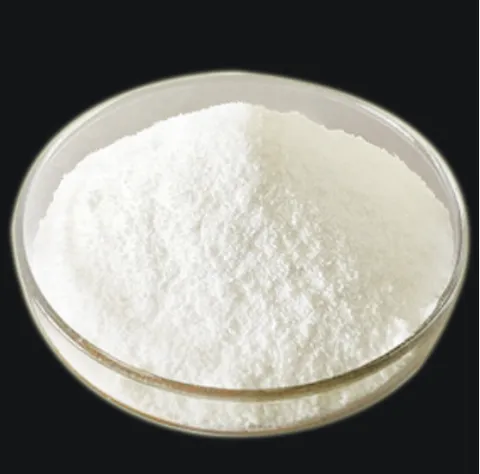
Appearance: White, odorless crystalline powder or granules
-
Crystal System: Tetragonal crystal structure
-
Density: 2.338 g/cm³ at 20°C
-
Melting Point: 252.6°C (486.7°F)
-
Solubility in Water:
-
Highly soluble: 225 g/L at 20°C
-
330 g/L at 40°C
-
830 g/L at 100°C
-
-
pH of Solution: Slightly acidic (pH 4.2-4.7 in 1% aqueous solution)
-
Bulk Density: 0.8-1.2 g/cm³ (depending on particle size and compaction)
1.3 Chemical Properties
-
Stability:
-
Stable under normal conditions, non-hygroscopic
-
-
Thermal Decomposition:
-
Decomposes at high temperatures to form potassium metaphosphate
-
-
Reactivity:
-
Compatible with most other fertilizer components, non-corrosive
-
-
Optical Properties:
-
Exhibits piezoelectric and electro-optic properties (important for specialty applications)
-
-
Buffer Capacity:
-
Acts as a buffer in the pH range of 6.2-8.2
-
1.4 Nutrient Content
-
Phosphorus (P₂O₅): 52% minimum
-
Potassium (K₂O): 34% minimum
-
NPK Rating: 0-52-34 (Nitrogen-Phosphorus-Potassium)
-
Water Soluble: 100% of both P₂O₅ and K₂O are water soluble
2.Production Technologies
2.1 Neutralization Process(Primary Method)
The most common industrial production method involves the neutralization of phosphoric acid with potassium hydroxide or potassium carbonate.
-
Raw Materials:
-
Phosphoric acid (H₃PO₄) - typically 54-85% concentration
-
Potassium hydroxide (KOH) or potassium carbonate (K₂CO₃)
-
Process water
-
-
Chemical Reactions:
-
With KOH: H₃PO₄ + KOH → KH₂PO₄ + H₂O
-
With K₂CO₃: H₃PO₄ + K₂CO₃ → 2KH₂PO₄ + CO₂ + H₂O
-
-
Process Steps:
-
Mixing and Neutralization: Controlled addition of potassium source to phosphoric acid
-
pH Control: Maintained at 4.2-4.7 to ensure proper stoichiometry
-
Concentration: Evaporation to achieve desired concentration
-
Crystallization: Cooling to precipitate MKP crystals
-
Separation: Centrifugation or filtration to separate crystals
-
Drying: Removal of surface moisture
-
Sizing and Packaging: Screening to desired particle size
-
2.2 Alternative Production Methods
-
Double Decomposition Process:
-
Reaction between diammonium phosphate and potassium chloride
-
(NH₄)₂HPO₄ + KCl → KH₂PO₄ + NH₄Cl + NH₃
-
Less common due to by-product handling issues
-
-
Direct Crystallization:
-
From concentrated mixed solutions of phosphoric acid and potassium salts
-
Used for high-purity grades
-
-
Spray Drying Process:
-
For producing fine powder grades
-
Involves spraying concentrated solution into hot air stream
-
2.3 Quality Control and Purification
-
Impurity Removal:
-
Heavy metals, chlorides, and other undesired ions
-
-
Crystal Size Control:
-
Achieved through controlled cooling and seeding
-
-
Analytical Testing:
-
P₂O₅, K₂O content, pH, moisture, particle size distribution
-
-
Packaging Standards:
-
Moisture-proof packaging to prevent caking
-
3.Applications
3.1 Agricultural Applications(Primary use -60-70%)
-
Specialty Fertilizer:
-
Premium water-soluble fertilizer for high-value crops
-
Ideal for fertigation (fertilizer + irrigation) systems
-
Suitable for foliar application due to high solubility
-
Preferred for greenhouse and hydroponic cultivation
-
-
Crop-Specific Uses:
-
Fruits and Vegetables: Tomatoes, peppers, cucumbers, strawberries
-
Floriculture: Cut flowers, potted plants, nursery stock
-
Specialty Crops: Grapes (viticulture), tree nuts, berries
-
Turf and Ornamentals: Golf courses, sports fields, landscaping
-
-
Advantages in Agriculture:
-
High nutrient concentration reduces transportation costs
-
Low salt index minimizes plant burn risk
-
Compatible with pesticides and other agricultural chemicals
-
Provides readily available phosphorus and potassium
-
3.2 Food Industry Applications (15-20%)
-
Food Additive (E340):
-
pH regulator and buffering agent
-
Emulsifying salt in processed cheese
-
Nutrient supplement in food products
-
Yeast nutrient in fermentation processes
-
-
Specific Food Uses:
-
Baking powders as a leavening agent
-
Meat processing for pH control
-
Beverage industry for acidity regulation
-
Wine making as a yeast nutrient
-
3.3 Industrial Applications (10-15%)
-
Buffer Solutions:
-
Laboratory and analytical chemistry
-
Biochemical and pharmaceutical applications
-
Calibration standards for pH meters
-
-
Specialty Industrial Uses:
-
Electroplating: Bath additive for metal finishing
-
Fire Retardants: Component in flame-retardant formulations
-
Ceramics: Flux in ceramic and glass manufacturing
-
Metal Treatment: Phosphating solutions for corrosion protection
-
4.Market Analysis
4.1 Global Market Overview
-
Market Size:
-
Approximately 800,000-1,000,000 metric tons annually
-
-
Market Value:
-
$1.8-2.2 billion USD globally
-
-
Growth Rate:
-
4-6% CAGR driven by specialty agriculture demand
-
-
Regional Distribution:
-
Asia-Pacific (40%), North America (25%), Europe (20%), Others (15%)
-
4.2 Market Dynamics
-
Demand Drivers:
-
Growing premium agriculture and greenhouse cultivation
-
Increasing adoption of precision farming techniques
-
Rising demand for high-efficiency fertilizers
-
Expansion of fertigation systems globally
-
Growth in specialty crop production
-
-
Supply-Side Factors:
-
Availability and cost of phosphoric acid
-
Potassium raw material prices (potash market linkage)
-
Energy costs for production processes
-
Transportation and logistics costs
-
-
Price Trends:
-
Premium pricing compared to standard fertilizers
-
Correlation with phosphate and potash commodity cycles
-
Regional price variations based on local supply-demand balance
-
5.Upstream and Downstream Linkages
5.1 Upstream Linkages (Raw Materials and Inputs)
-
Phosphoric Acid Supply Chain:
-
Phosphate Rock: Primary raw material for phosphoric acid production
-
Sulfuric Acid: Required for wet-process phosphoric acid
-
Phosphoric Acid Producers: Chemical companies with acid production capabilities
-
Quality Requirements: Technical or food-grade phosphoric acid needed
-
-
Potassium Sources:
-
Potassium Hydroxide (KOH):
-
Produced from potassium chloride through electrolysis
-
Suppliers: Olin Corporation, Tessenderlo Group, others
-
-
Potassium Carbonate (K₂CO₃):
-
Alternative potassium source
-
Produced from potassium chloride or potash
-
-
Potash Industry: Fundamental link to potassium chloride producers
-
-
Supporting Materials and Services:
-
Process water and utilities
-
Energy (natural gas, electricity)
-
Packaging materials (bags, bulk containers)
-
Transportation and logistics services
-
Process equipment and maintenance services
-
5.2 Downstream Linkages (Markets and Applications)
-
Agricultural Sector:
-
Specialty Fertilizer Distributors: Regional and local distributors
-
Greenhouse Operators: Hydroponic and controlled-environment agriculture
-
High-Value Crop Growers: Fruit, vegetable, and flower producers
-
Fertigation System Suppliers: Equipment manufacturers and service providers
-
Agricultural Consultants: Agronomy services and crop nutrition advisors
-
-
Food Industry:
-
Food Processors: Companies requiring pH control and buffering
-
Beverage Manufacturers: Soft drink and wine producers
-
Baking Industry: Commercial bakeries and ingredient suppliers
-
Cheese Manufacturers: Processed cheese and dairy products
-
-
Industrial and Specialty Markets:
-
Chemical Distributors: Suppliers to various industrial sectors
-
Electronics Industry: High-tech applications and research institutions
-
Pharmaceutical Companies: Buffer and reagent applications
-
Laboratory Supply Companies: Analytical and research grade products
-
-
Value Chain Integration:
-
Backward Integration: Some producers control phosphoric acid production
-
Forward Integration: Direct sales to end-users and custom blending services
-
Strategic Partnerships: Collaborations with equipment suppliers and distributors
-
Technical Service: Agronomic support and application guidance
-
-
Quality and Certification Requirements:
-
Agricultural Standards: Fertilizer registration and quality specifications
-
Food Grade Certification: FDA, EU food additive approvals
-
Industrial Standards: Technical specifications for industrial applications
-
Organic Certification: Approved for use in organic agriculture (in some regions)
-
もっと調達ニュース
76798
July 4, 2025
72947
July 10, 2025
71002
July 10, 2025
63820
July 4, 2025
60996
July 10, 2025